


You’re venturing into the dynamic world of cannabis entrepreneurship, where unique challenges and regulations abound. Understanding the nuances of this industry is vital for your success. From compliance with varying state laws to adapting your marketing strategies, each quirk can significantly impact your enterprise. Your approach to product sourcing, branding, and customer engagement must align with the evolving landscape of cannabis culture. As you navigate this complex terrain, being aware of these quirks will empower you to establish a sustainable and profitable business in this burgeoning market.
Navigating the Regulatory Labyrinth
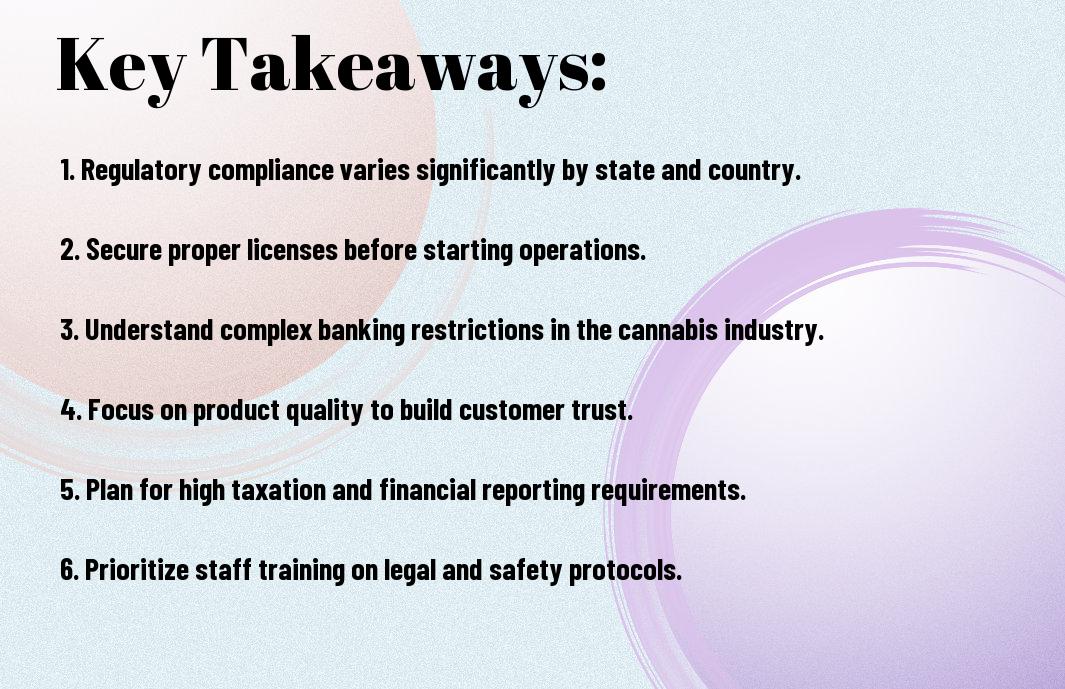
As you commence on your cannabis enterprise, traversing state and federal regulations can be like navigating a complex maze. Each jurisdiction has its own unique laws, guidelines, and restrictions about cannabis cultivation, distribution, and sales. Ensuring compliance with these diverse regulations not only protects your business but also establishes your credibility in the industry.
Understanding Local and Federal Laws
Your first step should involve thorough research into both local and federal laws governing cannabis. Federal law still classifies cannabis as a Schedule I drug, which often complicates compliance efforts. By examining the specific laws in your state, you can identify areas where local and federal regulations align or diverge, helping you create a compliant business strategy.
Licensing Requirements and Challenges
Obtaining the necessary licenses to operate can be a daunting process that varies greatly depending on your location. Each state has its own licensing regime for cannabis businesses, with different types of permits for cultivation, processing, distribution, and retail sales. These requirements often involve lengthy application processes, fees that can reach into the thousands, and sometimes frequent updates or renewals that must be adhered to consistently.
For instance, in California, applying for a cannabis license might require you to submit a detailed business plan, financial disclosures, and proof of compliance with local zoning laws. The scarcity of licenses can make competition fierce, especially in populous areas where demand is high. In many cases, you may also face local ordinances that impose additional stipulations on operations. Being well-prepared for these challenges increases your chances of successfully obtaining the licenses you need and allows your business to start on a solid foundation of compliance.
Market Differentiation Strategies
In a crowded cannabis market, standing out requires innovative differentiation strategies. To capture attention and build loyalty, you need to combine product quality, unique branding, and customer experience. Consider tailoring your approach to specific segments, such as environmentally-conscious consumers, medical patients, or recreational users, to carve a niche that sets your business apart from the rest.
Identifying Unique Selling Propositions
Your unique selling propositions (USPs) are the features that make your cannabis enterprise unique and valuable to customers. Whether it’s organic cultivation methods, proprietary strains, or innovative consumption methods, pinpointing these attributes is vital. Conducting market research helps you discover gaps that your brand can fill, allowing you to communicate your USPs clearly to your target audience.
Crafting a Brand That Resonates
The resonance of your brand deeply influences customer loyalty. Emphasizing storytelling can help your cannabis enterprise connect with customers on an emotional level. Share your journey, values, and the passion behind your products through engaging content. Curating a visual identity that reflects the essence of your brand—from logos to packaging—ensures consistency, making it easier for customers to recognize and prefer your products.
Your brand can evoke an emotional response by integrating shared values and community involvement into your identity. For instance, if sustainability is a core value, consider implementing eco-friendly packaging or collaborating with local environmental initiatives. Additionally, storytelling in your marketing campaigns can evoke a sense of community and belonging, illustrating why your cannabis products matter beyond just their effects. Use testimonials, social media engagement, and immersive brand experiences to cement your presence in customers’ minds, ultimately fostering loyalty and repeat business.
Cultivating Your Product Line
Building a successful cannabis enterprise often begins with your product line. Deciding what to cultivate requires insights into market trends, customer preferences, and industry innovations. Are you leaning towards cannabis flowers, edibles, or oils? A comprehensive understanding of consumer demand coupled with creative ideas will help differentiate your offerings from competitors. For deeper insights, explore A Successful Cannabis Business Starts with These 21 Tips to enhance your product strategy.
Selecting Strains for Market Demand
Your choice of cannabis strains significantly impacts your product line’s success. Market research will guide you to popular strains that resonate with consumers, like hybrid varieties or high-CBD options for wellness-focused customers. Pay attention to localized preferences, as certain strains may perform better in specific regions, aligning with the unique demographics and buying patterns in your target market.
Innovative Packaging and Delivery Methods
Stand-out packaging and delivery systems enhance customer experience while communicating your brand’s values. Eco-friendly packaging resonates with the growing number of environmentally conscious consumers. Additionally, consider unique delivery methods such as subscription services or same-day delivery to cater to customer convenience. These innovations can significantly increase customer loyalty and attract new clientele.
Innovative packaging goes beyond aesthetics; it serves functional purposes like child-proofing and freshness preservation. Consider interactive elements, like QR codes linking to product details or strain sourcing stories, to engage consumers digitally. Brands that prioritize transparency through creative labeling communicate authenticity, building trust with their audience. The goal is to create not just a product but a memorable experience that leaves a lasting impression.
Financial Management in a Volatile Market
Mastering financial management in the cannabis industry means navigating a landscape marked by unpredictable market changes and regulatory fluctuations. Understanding how to operate within these parameters will help you optimize your business’s financial health. Crafting solid strategies around expense tracking, revenue forecasting, and market analysis is vital for sustained growth and profitability.
Budgeting for Startup Costs and Operational Expenses
Establish a detailed budget that encompasses all potential startup costs, including licensing fees, facilities, equipment, and inventory. Additionally, factor in ongoing operational expenses such as payroll, utilities, and marketing. A well-planned budget not only keeps you on track but also prepares you for unexpected costs that may arise, ensuring your enterprise remains stable during initial growth phases.
Securing Funding and Investment Opportunities
Identifying and securing funding sources can be particularly challenging in the cannabis sector due to its unique banking restrictions and stigma. Traditional lenders may shy away, so alternative funding options—including private investors, crowdfunding platforms, and specialized cannabis venture capital firms—may be more viable. Building a strong pitch that outlines your business model, potential returns, and market demand is important in attracting interest from investors.
Private investors and crowdfunding can bring more than just capital; they can offer invaluable industry connections and expertise. Engaging with local business incubators or networks focused on cannabis can also present opportunities for mentorship and funding. Venture capitalists are increasingly entering the cannabis space, often looking for innovative, scalable business models that can navigate the complex regulatory landscape while ensuring maximum profitability. Cultivating relationships within the industry can lead to partnerships that not only support your initial financial needs but also pave the way for future growth and expansion.
Building a Cohesive Team Culture
Creating a cohesive team culture in your cannabis enterprise fosters collaboration and innovation. A shared vision and mutual respect encourage your team to actively contribute. Regular team-building activities and open communication channels can help break down silos and promote trust within the workplace. Establishing clear values and aligning everyone with your mission strengthens the collective ethos, leading to increased productivity and lower turnover rates.
Hiring for Industry-Specific Roles
Recruiting for industry-specific roles means prioritizing candidates with specialized knowledge about cannabis production, legal frameworks, and consumer trends. Seek individuals who possess not only the necessary skills but also an understanding of the industry’s nuances. For instance, experienced horticulturists or compliance experts can create a significant advantage in operational effectiveness. Your pursuit of employees who genuinely understand the cannabis landscape will ensure a knowledgeable and competent workforce.
Fostering Diversity and Inclusion
Diversity and inclusion should be integral to your cannabis enterprise’s recruitment and team-building efforts. Building a team that reflects varied perspectives, backgrounds, and experiences leads to more innovative problem-solving and a deeper understanding of diverse customer needs. Engaging underrepresented groups not only enriches your corporate culture but also enhances brand reputation and connectivity within communities. Commitment to inclusiveness can position your enterprise as a leader in not just products but principles.
To effectively foster diversity and inclusion, implement hiring practices that seek equity, such as structured interviews focused on skills and cultural contributions rather than conventional metrics. Partnering with organizations that support inclusivity in cannabis can help you reach diverse talent pools. Incorporating regular training sessions on implicit bias and inclusive practices ensures every team member feels valued. By championing diversity, you not only create a better work environment but also resonate more profoundly with your customer base, potentially translating into increased loyalty and sales.
To wrap up
With these considerations in mind, you can navigate the unique challenges of launching a cannabis enterprise. From understanding regulatory compliance to tapping into targeted marketing strategies, each decision you make can significantly impact your success. Embrace the importance of community engagement and adapt to evolving consumer preferences to enhance your brand’s reputation. By prioritizing these quirks of the cannabis industry, you will position your enterprise for long-term growth and stability in this competitive market.