

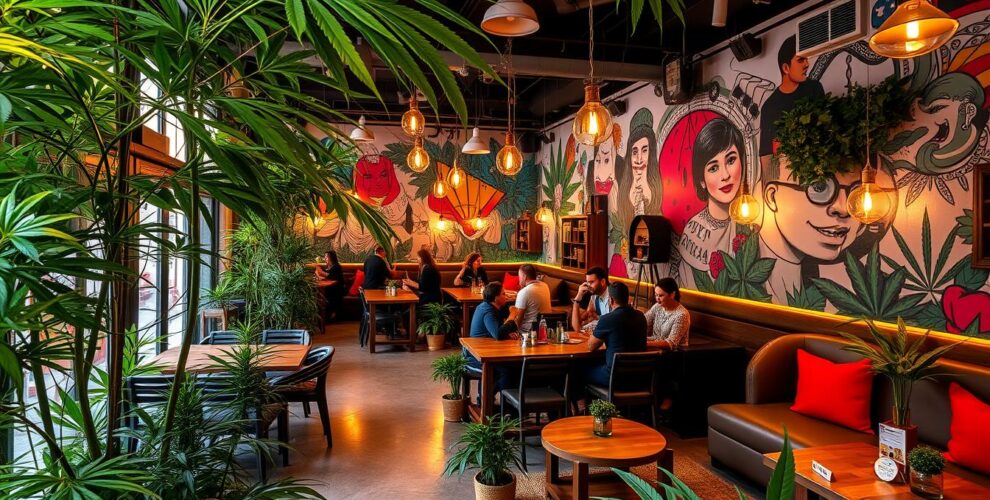
Cannabis culture has evolved differently across the globe, shaped by local laws, traditions, and social attitudes. In Spain, one of the most fascinating expressions of this culture is the rise of cannabis clubs. Unlike the commercialized dispensaries in North America or the coffee shop model in the Netherlands, Spanish cannabis clubs represent a unique balance of community, legality, and shared responsibility. These private associations have become a defining element of cannabis life in Spain, especially in cities like Barcelona and Madrid.
For enthusiasts, tourists, and curious newcomers, understanding how these clubs function, their legal framework, and their cultural significance offers insight into why Spain is often seen as one of Europe’s cannabis hotspots.
The Origins of Cannabis Clubs in Spain
The concept of cannabis clubs in Spain emerged in the 1990s, fueled by the idea of shared consumption within a private space. Spanish law prohibits the public sale and trafficking of cannabis, but it does not criminalize private consumption. This gray area provided an opening for associations to cultivate and distribute cannabis exclusively among registered members.
These clubs grew out of grassroots movements, formed initially to defend consumer rights and advocate for harm reduction. Over time, they developed into organized associations, governed by rules and regulations, with a focus on responsible use and community building.
Today, cannabis clubs are found throughout Spain, with particularly strong presences in Catalonia, the Basque Country, and Madrid. Each club functions independently, but they share the core principle of being non-profit organizations that operate solely for the benefit of their members.
How Cannabis Clubs Work
At their heart, cannabis clubs are private associations. They require membership, which means casual visitors cannot simply walk in off the street and purchase cannabis. To join, individuals usually need to be:
- 18 or 21 years old (depending on the club’s rules)
- Sponsored or referred by an existing member
- Willing to sign a membership agreement acknowledging the club’s policies
Once accepted, members contribute to the club, usually through fees or donations, which cover cultivation and operational costs. The cannabis itself is grown collectively, often by the club or in association with licensed growers, and distributed among members proportionally to their contributions.
Inside, the atmosphere often feels more like a café or lounge than a commercial dispensary. Members can socialize, consume cannabis in a relaxed setting, and participate in cultural or educational events organized by the club.
Cannabis Clubs and Spanish Law
One of the most intriguing aspects of cannabis clubs is their legal standing. Spain does not explicitly “legalize” cannabis clubs, but it also does not outright ban them. Instead, they exist in a legal gray area under the framework of private association rights and personal freedom of consumption.
Here are some key legal points:
- Private Use: Spanish law permits adults to consume cannabis privately.
- No Public Sale: Cannabis cannot be sold commercially or advertised to the public.
- Non-Profit Model: Clubs must operate as non-profit entities, meaning they cannot generate profit from cannabis distribution.
- Membership Only: Access is restricted to members; clubs cannot accept random visitors.
This balance has allowed cannabis clubs to flourish while avoiding the pitfalls of full commercial legalization. However, each autonomous region in Spain may enforce these laws differently, leading to variations in how clubs operate from city to city.
The Scene in Madrid: A Growing Cannabis Culture
When people think of cannabis clubs in Spain, Barcelona often comes to mind as the epicenter. However, Madrid has developed its own vibrant cannabis scene, with clubs that embody the city’s cultural energy and diversity.
For those interested in exploring cannabis in the Spanish capital, legal cannabis clubs Madrid provide a gateway to a safe and community-oriented experience. These clubs often blend modern design with traditional Spanish hospitality, offering a welcoming atmosphere for both locals and international members.
While each club has its own identity—some focusing on art, others on music, and others on education—they all share the commitment to responsible cannabis use within a private setting. In Madrid, the scene is slightly more discreet than in Barcelona, reflecting the city’s emphasis on cultural sophistication and social balance.
Cannabis Tourism in Spain
The rise of cannabis clubs has naturally attracted international attention, particularly among tourists. Many travelers are curious about experiencing Spanish cannabis culture firsthand. However, it is important to understand that cannabis clubs are not tourist attractions in the traditional sense.
Unlike Amsterdam’s coffee shops, which are open to anyone, Spanish clubs require membership and typically discourage purely casual use. Tourists who join must respect the same rules as locals, including no public consumption and no resale of cannabis outside the club.
This model reflects Spain’s emphasis on community responsibility, rather than commercialization. For many visitors, this offers a refreshing change: a more authentic, less commercialized, and more socially connected way to experience cannabis.
Cultural Impact of Cannabis Clubs
Beyond the legal and practical aspects, cannabis clubs have had a significant cultural impact in Spain. They have:
- Created safe spaces for consumption, reducing risks associated with black-market use
- Fostered communities where members can connect over shared values
- Promoted education around responsible cannabis use, harm reduction, and cannabis research
- Influenced art and culture, with many clubs hosting exhibitions, concerts, and cultural events
Cannabis clubs are not just about cannabis—they are about creating a social model of coexistence, responsibility, and cultural expression.
Challenges and the Future
Despite their success, cannabis clubs face challenges. Legal uncertainty remains, as the lack of a clear national framework means clubs operate under varied interpretations of the law. Some regions have attempted to introduce stricter regulations, while others remain more permissive.
Additionally, the balance between local members and international visitors continues to be debated. Some worry that tourism may commercialize the model, while others see it as an opportunity for cultural exchange.
Looking ahead, the future of cannabis clubs in Spain may hinge on broader European discussions about cannabis legalization and regulation. If Spain embraces a more formalized system, it may provide a blueprint for other countries seeking a middle ground between prohibition and commercialization.
Conclusion
Cannabis clubs in Spain represent one of the most unique and fascinating cannabis models in the world. By blending legality, privacy, and community, they have created spaces that go far beyond mere consumption. In cities like Madrid, the presence of legal cannabis clubs Madrid highlights how this model continues to evolve, offering locals and visitors alike a safe, social, and culturally rich experience.
For those curious about cannabis in Spain, clubs offer not just a way to access the plant, but a way to engage with a community, a culture, and a philosophy rooted in responsibility and shared values.
As Spain continues to refine its relationship with cannabis, these clubs will remain at the heart of the conversation—symbols of a model that prioritizes people over profit, and community over commercialization.